Table of Contents
ToggleNewborn trends 2026 are reshaping how parents care for their babies. From eco-conscious products to smart nursery gadgets, the landscape of baby care is shifting fast. Parents today want options that align with their values, sustainability, simplicity, and personalization top the list.
This year brings fresh approaches to everything from diaper choices to feeding routines. Tech-savvy tools are making sleep tracking easier. Nursery designs are getting cleaner and more intentional. And the push for inclusive, gender-neutral baby gear continues to grow.
Whether expecting a first child or adding to the family, understanding these newborn trends 2026 helps parents make informed decisions. Here’s what’s shaping baby care and parenting this year.
Key Takeaways
- Newborn trends 2026 prioritize sustainability, with parents choosing organic cotton, reusable diapers, and bamboo-based products to reduce environmental impact.
- Smart baby monitors and wearable health trackers give parents real-time data on breathing, sleep cycles, and vital signs without replacing human intuition.
- Minimalist nursery design focuses on neutral colors, multi-functional furniture, and natural materials to create calm, functional spaces.
- Personalized baby nutrition is on the rise, including genetic testing, custom formulas, and baby-led weaning tailored to each infant’s needs.
- Gender-neutral clothing and inclusive marketing are reshaping the baby product industry, offering families more diverse and flexible options.
- Second-hand shopping and refill programs are becoming mainstream as parents embrace eco-conscious choices that also save money.
Sustainable and Eco-Friendly Baby Products
Sustainability dominates newborn trends 2026. Parents are choosing products that reduce environmental impact without sacrificing quality or safety.
Organic cotton clothing leads the charge. These garments use no pesticides during production and feel softer against newborn skin. Brands now offer entire wardrobes made from certified organic materials, and prices have become more competitive.
Reusable diapers are making a strong comeback. Modern cloth diapers feature snap closures, adjustable sizing, and absorbent inserts that rival disposables. Many parents combine cloth diapers at home with compostable disposables for outings, a hybrid approach that cuts waste significantly.
Bamboo-based products are everywhere this year. Bamboo grows quickly without heavy water use, making it an attractive material for everything from swaddles to feeding spoons. Its natural antibacterial properties add practical appeal.
Packaging matters too. Companies are ditching plastic in favor of recycled cardboard and plant-based materials. Some brands offer refill programs for items like baby wash and lotion, letting parents reuse containers instead of buying new ones.
Second-hand shopping has lost its stigma. Consignment stores and online resale platforms dedicated to baby gear are thriving. Parents see value in pre-owned cribs, strollers, and clothing, items babies outgrow in weeks or months anyway.
Technology-Driven Parenting Tools
Smart devices are transforming newborn care in 2026. These tools give parents data and peace of mind without replacing human intuition.
Smart baby monitors have evolved beyond video feeds. Current models track breathing patterns, room temperature, humidity levels, and sleep cycles. They send alerts directly to smartphones and some even play white noise or lullabies remotely.
Wearable health trackers designed for infants are gaining traction. Small sensors that attach to clothing or diapers monitor heart rate, oxygen levels, and body position. Pediatricians can review this data during checkups, spotting patterns parents might miss.
Feeding apps help parents log breastfeeding sessions, bottle amounts, and solid food introductions. These apps generate reports that make conversations with healthcare providers more productive. Some sync with smart bottles that measure intake automatically.
Sleep training technology offers another assist. Devices analyze a baby’s sleep sounds and movements, then provide suggestions for improving rest. They learn individual patterns over time and adjust recommendations accordingly.
Not every family wants high-tech solutions. Many newborn trends 2026 acknowledge this by offering simpler alternatives alongside connected devices. The key is choice, parents can embrace as much or as little technology as fits their lifestyle.
Minimalist Nursery Design
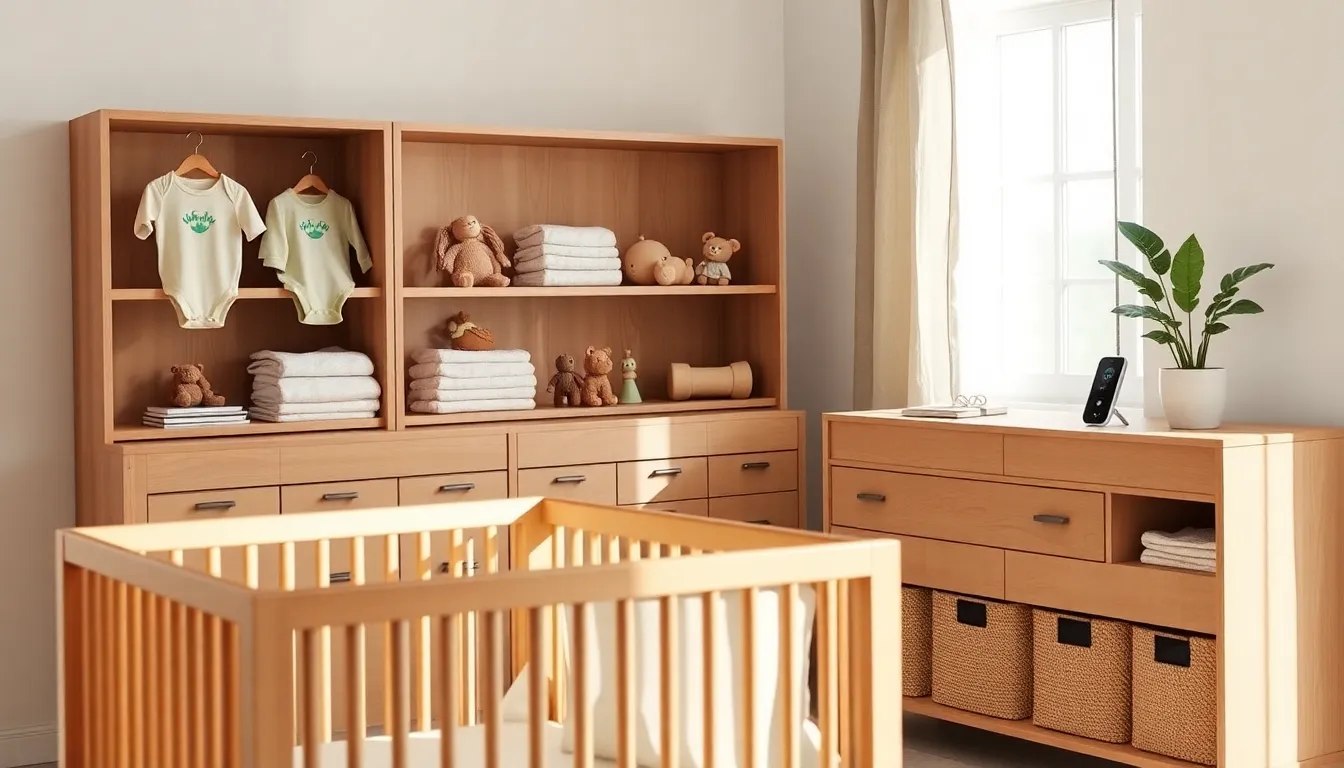
Less is more in nursery design this year. Parents are rejecting cluttered spaces in favor of calm, functional rooms.
Neutral color palettes set the tone. Soft whites, warm beiges, and muted greens create soothing environments. Bold accent walls still appear, but overall schemes lean toward tranquility rather than stimulation.
Multi-functional furniture saves space and money. Cribs that convert to toddler beds, changing tables with built-in storage, and gliders that work in living rooms after the baby phase, these pieces justify their cost through longevity.
Newborn trends 2026 favor quality over quantity. Instead of filling shelves with toys, parents select a few well-made items. Wooden toys, fabric books, and simple rattles get priority over plastic gadgets that flash and beep.
Storage solutions keep things tidy. Baskets, bins, and closed cabinets hide the inevitable accumulation of baby stuff. The goal is a room that feels peaceful during late-night feedings and easy to clean during the day.
Natural materials dominate decor choices. Wooden furniture, linen curtains, and wool rugs add warmth without synthetic chemicals. Parents appreciate knowing their baby’s environment contains fewer potentially harmful substances.
Wall art tends toward understated prints or personalized touches like name signs. The oversized character murals of previous years have faded in popularity.
Personalized Baby Wellness and Nutrition
One-size-fits-all approaches are fading. Newborn trends 2026 emphasize individualized care based on each baby’s specific needs.
Genetic testing for infants is becoming more accessible. These tests can identify potential food sensitivities, vitamin deficiencies, and metabolic variations. Armed with this information, parents and pediatricians create feeding plans that work for individual babies.
Custom formula options have expanded. Companies now offer formulas adjusted for specific digestive issues, allergies, or nutritional requirements. Subscription services deliver these specialized products monthly, adjusting as babies grow.
Baby-led weaning continues its rise. This approach lets infants self-feed soft whole foods instead of relying solely on purees. Parents report that babies develop better motor skills and eating habits through this method.
Organic and locally sourced baby food appeals to health-conscious families. Some parents prepare homemade purees using seasonal produce. Others subscribe to services that deliver fresh, ready-to-serve options made from whole ingredients.
Probiotics and gut health receive attention too. Research linking early microbiome development to long-term health has parents interested in probiotic drops and foods that support digestive wellness.
Pediatricians emphasize that personalization should complement, not replace, standard medical guidance. The best outcomes happen when parents combine professional advice with awareness of their baby’s unique responses.
Inclusive and Gender-Neutral Approaches
Inclusivity shapes how products are designed and marketed in 2026. Parents want options that don’t box their children into narrow categories.
Gender-neutral clothing dominates newborn trends 2026. Yellows, greens, grays, and earthy tones replace the traditional pink-blue divide. Patterns feature animals, plants, and geometric shapes rather than gendered motifs.
Toy companies are following suit. Blocks, puzzles, and sensory items come in packaging that appeals to all families. Marketing materials show diverse caregivers, fathers, grandparents, same-sex couples, interacting with products.
Language around parenting has shifted. Terms like “birthing parent” and “non-birthing parent” appear alongside “mother” and “father” in product descriptions and parenting resources. This acknowledges the variety of family structures raising newborns today.
Books for babies reflect diverse families and experiences. Board books feature characters of different races, abilities, and family compositions. Parents appreciate stories that mirror their own lives or introduce their children to different perspectives early.
Registry platforms have adapted too. Many now allow parents to specify preferences for neutral items or filter out gendered options entirely. Gift-givers can shop with confidence knowing they’re respecting family wishes.
This shift isn’t about eliminating choice, it’s about expanding it. Families who prefer traditional approaches still find plenty of options. The difference is that alternatives now exist for everyone else.