
Table of Contents
ToggleHigh school trends 2026 are already shaping how students dress, learn, and connect. From bold fashion statements to AI-powered study tools, the coming year promises significant shifts across campuses nationwide. Gen Z continues to push boundaries, blending vintage aesthetics with cutting-edge technology while prioritizing mental wellness like never before. This guide breaks down the biggest high school trends 2026 will bring, covering fashion, tech, academics, and student culture. Whether students want to stay ahead of the curve or parents want to understand what’s coming, these predictions offer a clear picture of the year ahead.
Key Takeaways
- High school trends 2026 blend vintage fashion with sustainability, as students favor thrifted pieces and gender-fluid wardrobes over fast fashion.
- AI-powered study tools are becoming classroom staples, shifting the conversation toward responsible use rather than outright bans.
- Social media habits are evolving, with teens preferring private, authenticity-focused platforms over performative public posting.
- Schools are expanding career-focused electives like coding, financial literacy, and entrepreneurship to meet student demand for practical skills.
- Mental wellness takes center stage in high school trends 2026, with wellness rooms, mental health days, and peer support programs becoming standard.
- Wearable tech like smart rings and AR glasses is entering classrooms, prompting new school policies on device use.
Fashion and Style Trends Taking Over Campuses
High school fashion in 2026 leans heavily into “quiet luxury” mixed with Y2K nostalgia. Students are trading fast fashion for thrifted pieces and sustainable brands. This shift reflects both environmental awareness and a desire for unique personal style.
The Return of Preppy with a Twist
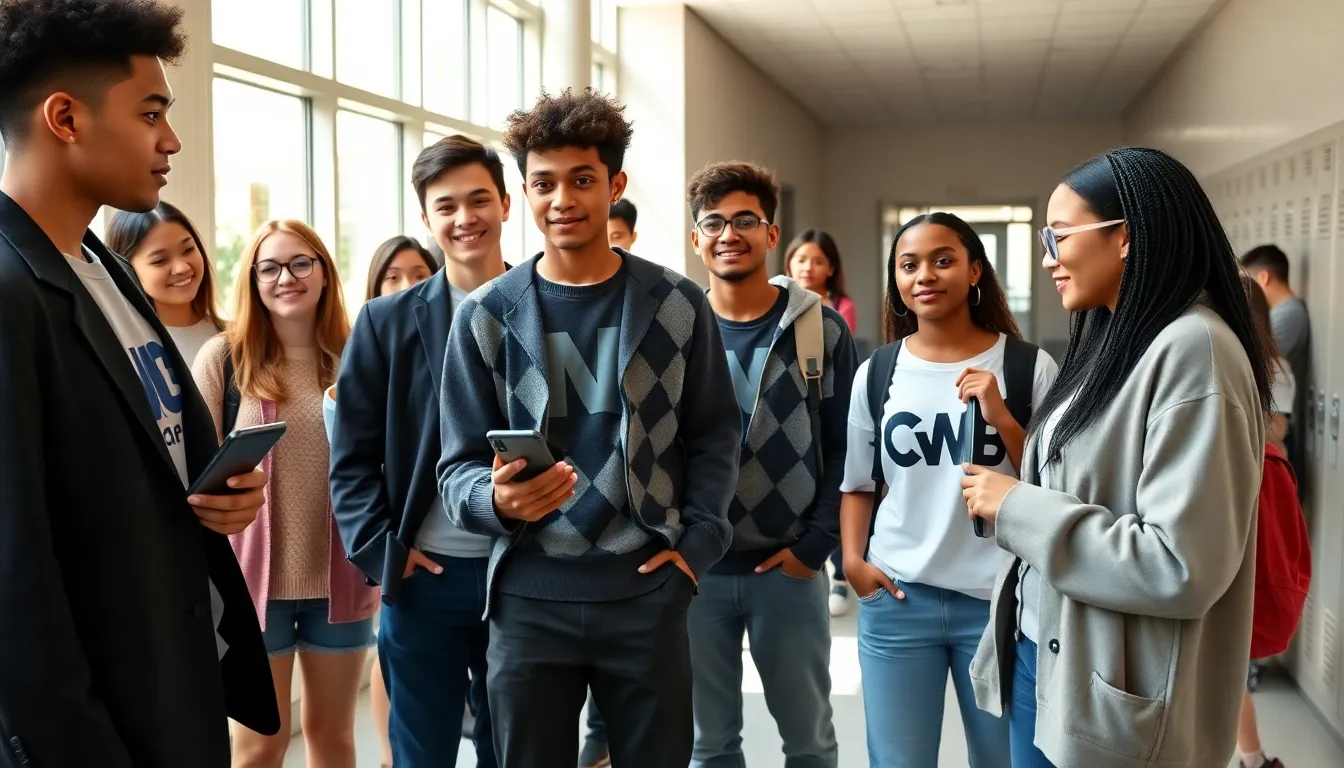
Polo shirts, pleated skirts, and loafers are back, but with updates. Think oversized blazers paired with baggy jeans or argyle sweaters worn over graphic tees. The aesthetic borrows from old money style while keeping things casual and accessible. Brands like Aritzia and Uniqlo continue gaining ground because they offer clean lines without very costly.
Sneaker Culture Evolves
Chunky sneakers still dominate hallways, but sleeker silhouettes are making a comeback. New Balance and Asics have surged in popularity among high schoolers. Limited drops and vintage-inspired designs drive much of the hype. Students trade and resell shoes through apps, turning sneaker collecting into both hobby and side hustle.
Gender-Fluid Wardrobes Become Standard
More students embrace clothing without traditional gender labels. Oversized fits, neutral colors, and unisex pieces now appear in most closets. Retailers respond by expanding their gender-neutral sections. This shift represents one of the most significant high school trends 2026 brings to fashion.
Technology and Social Media Shifts
Tech habits among high schoolers are evolving fast. Social media platforms rise and fall in popularity, while AI tools become classroom staples.
TikTok Alternatives Gain Traction
While TikTok remains popular, students increasingly spread their attention across multiple platforms. BeReal inspired a wave of authenticity-focused apps. Newer platforms emphasizing close friend groups and private sharing attract teens tired of performative posting. Discord servers and group chats often matter more than public feeds.
AI Becomes a Study Partner
Students now use AI chatbots to explain difficult concepts, draft essay outlines, and practice foreign languages. Schools respond with updated academic integrity policies. The conversation has shifted from “Is AI cheating?” to “How should students use AI responsibly?” This marks one of the defining high school trends 2026 introduces to education.
Wearable Tech Goes Mainstream
Smart rings and lightweight AR glasses are entering classrooms. Students use wearables to track sleep, manage schedules, and even receive discreet notifications during class. Schools now debate policies around these devices. Some districts ban them outright: others incorporate them into physical education programs.
Academic and Extracurricular Changes
The academic landscape continues shifting as schools adapt to student needs and workforce demands.
Career-Focused Electives Expand
High schools now offer more classes tied directly to job skills. Coding bootcamps, financial literacy courses, and entrepreneurship programs attract growing enrollment. Students see practical value in learning skills they can use immediately after graduation, or even during high school.
Clubs Get More Niche
Forget traditional club offerings. High school trends 2026 include student organizations focused on specific interests like podcasting, cryptocurrency, urban gardening, and K-pop dance covers. These micro-communities help students find their people faster than broad-interest clubs ever did.
Hybrid Learning Sticks Around
Pandemic-era online learning left a lasting mark. Many schools now offer hybrid options for certain courses. Students with health issues, family obligations, or scheduling conflicts benefit from this flexibility. Virtual office hours and recorded lectures have become standard expectations rather than special accommodations.
Mental Health and Wellness Focus
High school trends 2026 put mental wellness front and center. Schools and students alike treat emotional health as essential, not optional.
Wellness Rooms Become Common
Many high schools now dedicate space for students to decompress during the school day. These rooms offer dim lighting, comfortable seating, and quiet environments. Students can take short breaks without stigma. The goal is prevention, helping students manage stress before it becomes a crisis.
Mental Health Days Gain Acceptance
More school districts recognize mental health as valid reason for absence. Students and parents report less pushback when requesting days off for emotional wellbeing. This policy shift acknowledges what research confirms: burned-out students can’t learn effectively.
Peer Support Programs Grow
Trained student volunteers now staff peer counseling programs at many schools. These programs reduce barriers to seeking help. Sometimes teenagers find it easier to talk with someone their own age. Schools supplement these programs with professional counselors, creating layered support systems.
Reduced Assignments Debates Continue
The conversation around assignments load intensifies. Some schools experiment with assignments-free weekends or project-based assessments that replace nightly assignments. Research on assignments effectiveness fuels these discussions. Parents and educators remain divided, but student voices increasingly shape these decisions.