
Table of Contents
ToggleElementary school tips can make a real difference in a child’s academic and social growth. These formative years shape study habits, friendships, and confidence levels that carry into later grades. Parents often wonder how to support their children without being overbearing or doing the work for them.
The good news? Small, consistent actions create big results. From morning routines to teacher communication, parents hold significant influence over their child’s school experience. This guide covers practical elementary school tips that help children thrive academically, socially, and emotionally. Each strategy focuses on building skills children will use for years to come.
Key Takeaways
- Consistent morning and evening routines reduce stress and help children arrive at school ready to learn.
- Create a dedicated, distraction-free study space and guide children through homework rather than doing it for them.
- Teach conflict resolution phrases and arrange playdates to strengthen your child’s social skills and friendships.
- Build a strong parent-teacher relationship by introducing yourself early and asking specific, actionable questions at conferences.
- Foster independence by assigning age-appropriate tasks and allowing natural consequences to teach responsibility.
- These elementary school tips focus on small, consistent actions that build skills children will use throughout their education.
Building Strong Morning and Evening Routines
Consistent routines reduce stress for both parents and children. A predictable schedule helps kids feel secure and ready to learn.
Morning Routines That Work
Start by waking children 60-90 minutes before the bus arrives or carpool leaves. This buffer prevents rushed mornings and forgotten items. A visual checklist works well for younger elementary students, pictures of tasks like brushing teeth, getting dressed, and eating breakfast keep them on track.
Lay out clothes the night before. Pack backpacks before bedtime too. These elementary school tips eliminate morning chaos and teach children planning skills. Breakfast matters more than most parents realize. Studies show that children who eat breakfast perform better on tests and concentrate longer in class.
Evening Routines for Better Sleep
Elementary-aged children need 9-12 hours of sleep per night according to the American Academy of Pediatrics. Create a wind-down routine that starts 30-45 minutes before lights out. This might include a bath, reading together, or quiet conversation about the day.
Screen time should end at least one hour before bed. The blue light from devices interferes with natural sleep hormones. Instead, encourage reading or audiobooks. A consistent bedtime, even on weekends, helps children fall asleep faster and wake up refreshed.
Supporting Homework and Learning at Home
Assignments habits established in elementary school set the foundation for middle and high school success. Parents play a key role in creating productive study environments.
Create a Dedicated Study Space
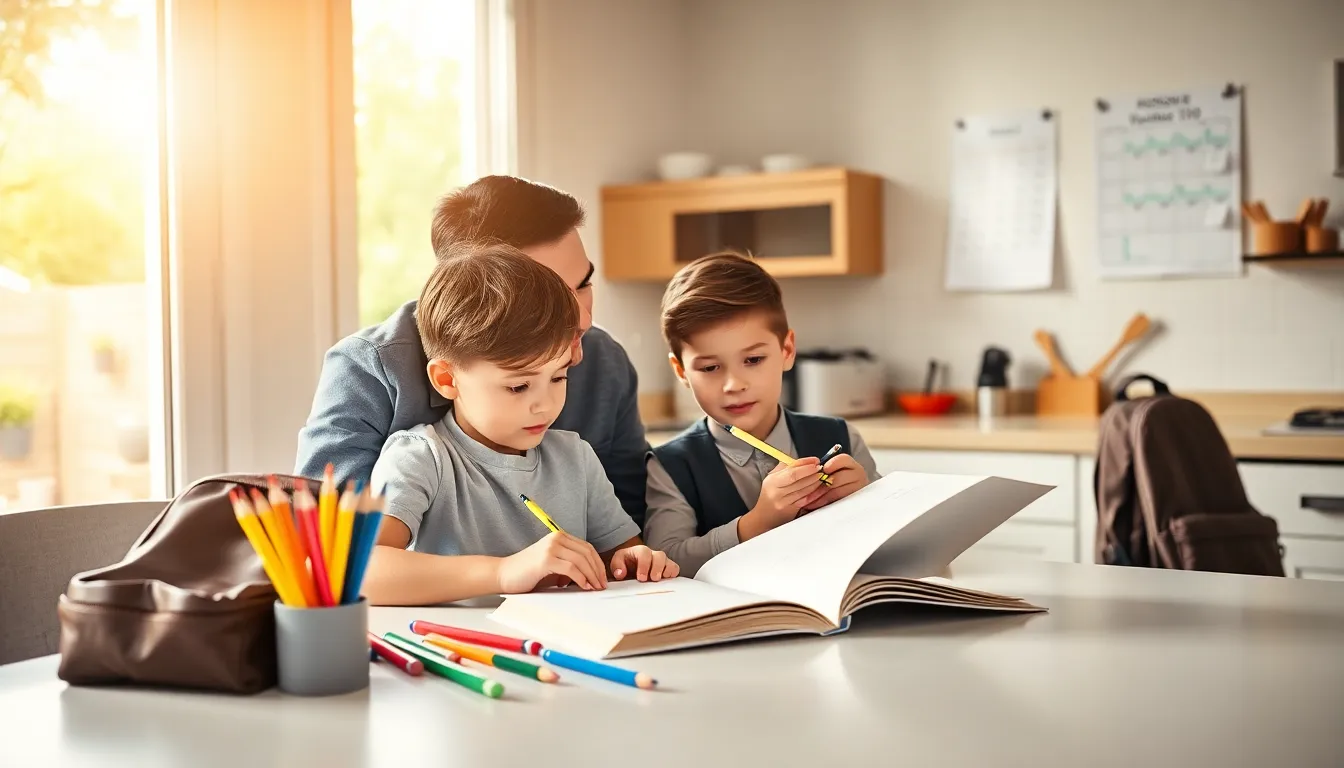
Designate a quiet area for assignments. This doesn’t require a fancy desk, a kitchen table works fine. The key is consistency. Children should associate this space with focus and learning. Remove distractions like toys, tablets, and television from the area.
Stock the space with necessary supplies: pencils, erasers, crayons, scissors, and paper. Running to find materials interrupts concentration and wastes time.
Guide Without Doing
One of the most valuable elementary school tips involves stepping back. Parents should help children understand problems, not solve them. Ask guiding questions like “What do you think comes next?” or “Where could you find that information?”
If a child struggles consistently with certain subjects, communicate with their teacher rather than spending hours re-teaching material. Teachers can offer insight into classroom methods and may suggest specific resources.
Make Learning Fun
Learning extends beyond worksheets. Cook together and practice fractions through measuring ingredients. Count money during grocery shopping. Read street signs on car rides. These everyday activities reinforce classroom lessons while making learning feel natural.
Library visits build reading habits and give children ownership over their book choices. Many libraries offer free programs and reading challenges that motivate young learners.
Encouraging Social Skills and Friendships
Elementary school introduces children to diverse social situations. They learn to share, cooperate, resolve conflicts, and build friendships. Parents can actively support this development.
Teach Conflict Resolution
Disagreements happen frequently among young children. Rather than solving problems for them, teach children specific phrases and strategies. “I feel upset when you take my toy” works better than yelling or grabbing. Role-playing common scenarios at home prepares children for real situations.
These elementary school tips around communication serve children well into adulthood. The ability to express feelings clearly and listen to others creates stronger relationships.
Help Friendships
Arrange playdates with classmates, especially early in the school year. Meeting outside school helps children form deeper connections. Start with shorter, structured activities, a trip to the park or a simple craft project.
Ask open-ended questions about your child’s friendships. “Who did you play with at recess?” and “What games do you like to play together?” give insight into their social world without being intrusive.
Address Bullying Proactively
Talk about bullying before it happens. Explain what it looks like and encourage children to report incidents, whether they’re the target or a witness. Children who understand bullying recognize it faster and feel empowered to seek help.
Communicating Effectively With Teachers
A strong parent-teacher relationship benefits children directly. Teachers appreciate engaged parents, and open communication prevents small issues from becoming big problems.
Start the Year Strong
Introduce yourself at back-to-school night or through email. Share relevant information about your child, learning style, interests, or any challenges they face. This context helps teachers connect with students.
Ask teachers their preferred communication method. Some prefer email, others use apps like ClassDojo or Remind. Following their preference shows respect for their time.
Ask the Right Questions
At conferences, move beyond “How is my child doing?” Ask specific questions: “What skills should we work on at home?” or “How does my child interact with classmates?” These elementary school tips around questioning yield actionable information.
Don’t wait for scheduled conferences if concerns arise. A brief email asking for a phone call or meeting addresses issues before they grow.
Be a Partner, Not an Adversary
Approach problems as a team. If your child receives a low grade or gets into trouble, listen to the teacher’s perspective before reacting. Teachers want children to succeed, they’re allies in that goal. Collaborative problem-solving produces better outcomes than defensive responses.
Fostering Independence and Responsibility
Elementary school marks a transition toward greater independence. Children can, and should, handle increasing responsibility as they grow.
Age-Appropriate Tasks
First and second graders can manage simple tasks: packing their own snacks, putting assignments in their folders, and laying out clothes. By fourth and fifth grade, children can track assignments, wake up to alarms, and manage short-term projects independently.
Resist the urge to rescue children from minor mistakes. A forgotten lunch or missing permission slip teaches lessons more effectively than any lecture. Natural consequences stick.
Teach Time Management
Elementary school tips around time management pay dividends for years. Introduce timers for assignments sessions. Use calendars to track due dates and activities. Even young children benefit from visual schedules that show what happens and when.
Break larger tasks into smaller steps. A book report feels overwhelming: “read two chapters tonight” feels manageable. This skill helps children tackle increasingly complex projects as they advance through school.
Encourage Problem-Solving
When children encounter obstacles, ask “What could you try?” before offering solutions. This simple question builds critical thinking skills. Children learn to brainstorm options, evaluate choices, and take action independently.
Celebrate effort over results. A child who struggles with math but practices daily deserves recognition. This mindset encourages persistence and reduces fear of failure.